


Louisville sits in a uniquely vulnerable position for water damage. The Ohio River valley creates high humidity year-round, which means basements stay damp and mold grows fast after any water intrusion. Spring brings severe thunderstorms that dump inches of rain in hours, overwhelming older drainage systems in neighborhoods like Old Louisville and Germantown where combined sewers can back up into basements.
Winter freeze-thaw cycles crack foundations and burst pipes. Homes built on the clay-heavy soil common across Jefferson County experience foundation settling that creates entry points for groundwater. The Beargrass Creek watershed runs through the heart of Louisville, and properties near its tributaries face flooding risk during heavy rain events.
Older housing stock in areas like the Highlands and Clifton means aging plumbing, deteriorating waterproofing, and crawl spaces that trap moisture. Even newer construction in eastern Jefferson County faces challenges from our humid subtropical climate. Water heaters fail, washing machine hoses burst, and roof leaks go unnoticed until ceilings start dripping. Louisville homeowners need water damage restoration partners who understand these local threats and respond immediately when water invades.
Elite Water Damage Restoration Louisville built our reputation on speed and thoroughness. We know that water damage emergencies create panic. You discover a flooded basement at midnight, a burst pipe on Sunday morning, or storm damage after work hours. Our 24/7 dispatch means a real person answers when you call (502) 370-2711, and crews arrive within 60 minutes across most of Jefferson County.
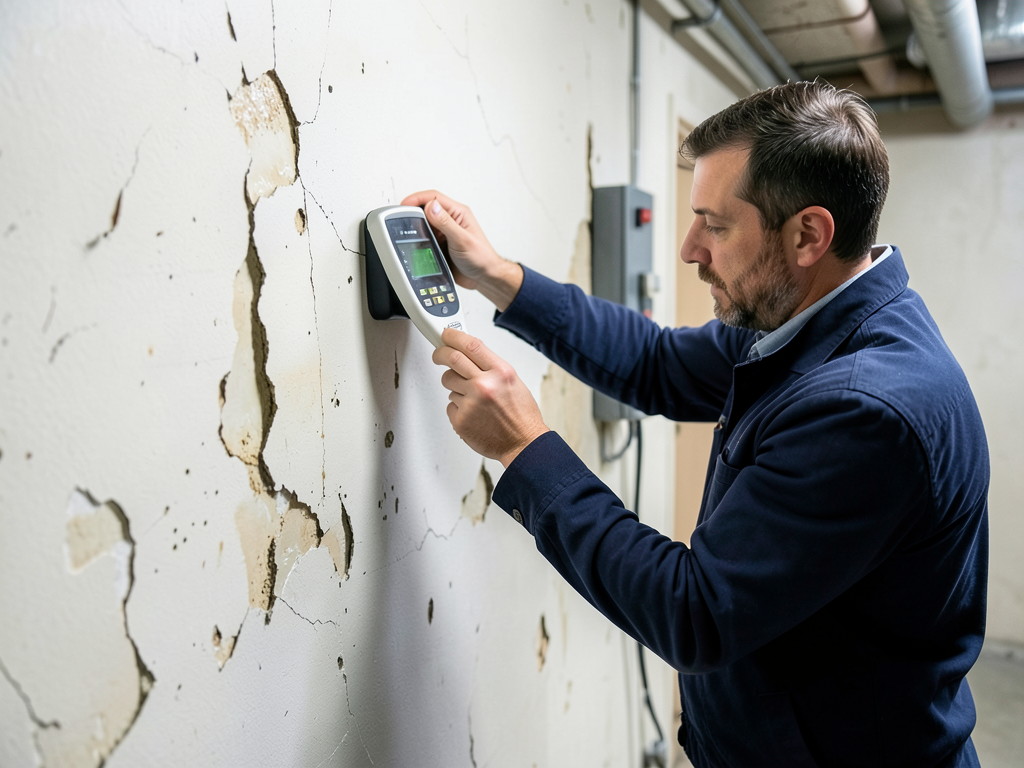
We invest in professional-grade extraction and drying equipment because half-measures lead to mold growth and structural damage weeks later. Our technicians use thermal imaging to find hidden moisture in walls and subflooring, moisture meters to document drying progress, and commercial dehumidifiers that pull gallons of water from the air daily. We do not leave until your property tests dry.
Insurance coordination sets us apart. We document damage thoroughly, photograph everything, and communicate directly with adjusters. Most Louisville homeowners have never filed a water damage claim. We guide you through the process, explain your coverage, and provide detailed estimates that insurance companies accept. We work with every major carrier and understand Kentucky insurance requirements.
Our team trains continuously on the latest water damage remediation techniques and IICRC standards. We handle sewage backups safely, salvage belongings when possible, and prevent secondary damage. Louisville families call us because we treat their homes like our own and communicate clearly through every step of the restoration process.

We dispatch crews within 60 minutes across Louisville and Jefferson County. Our trucks carry industrial extraction equipment, thermal imaging cameras, and commercial dehumidifiers so we start mitigation immediately. Water spreads fast through drywall and subflooring. Quick response prevents thousands in additional damage and stops mold before it starts growing.

We handle insurance documentation and adjuster communication so you focus on your family. Our estimates meet carrier requirements and our thorough damage documentation supports your claim. We work with State Farm, Allstate, Liberty Mutual, and every major insurer serving Louisville. Most claims get approved without dispute when we handle the paperwork.
Our restoration technicians hold current IICRC certifications in water damage restoration and applied structural drying. We follow industry standards for moisture detection, extraction protocols, and drying timelines. Certification means we understand the science of water migration, psychrometrics, and proper drying procedures that prevent mold and structural damage.
Our crews live and work in Louisville. We understand which neighborhoods flood during heavy rain, how Ohio River valley humidity affects drying times, and where aging infrastructure causes the most problems. Local knowledge means faster response and better solutions for water damage challenges specific to Jefferson County homes.
Elite Water Damage Restoration Louisville handles every type of water emergency and restoration need. Water damage comes in many forms, from clean water pipe breaks to contaminated sewage backups, and each requires different protocols and safety measures. We provide emergency water extraction, structural drying, dehumidification, mold prevention, content restoration, and complete reconstruction services.
Our approach starts with rapid water removal, then moves to thorough drying using thermal imaging and moisture monitoring. We do not guess when your property is dry. We test and document moisture levels daily until they return to normal. Some jobs need only extraction and drying. Others require wall removal, subflooring replacement, and complete reconstruction. We handle projects from start to finish so you work with one team, not multiple contractors. Our services divide into three main categories based on urgency, contamination level, and scope.
When water invades your home, immediate extraction prevents damage from spreading. Our crews respond 24/7 with truck-mounted extraction units that remove thousands of gallons quickly. We pull standing water from basements, extract water from carpets and padding, and use specialized tools to remove moisture from hardwood floors. Emergency extraction includes furniture moving, content protection, and initial moisture mapping. The faster we extract water, the more we save and the less drying time your property needs.
Water hides in wall cavities, subflooring, and insulation where you cannot see it. Structural drying uses commercial dehumidifiers, air movers, and thermal imaging to find and eliminate hidden moisture. We set up drying equipment strategically based on moisture readings and psychrometric calculations. Our technicians monitor progress daily with moisture meters and adjust equipment placement until all materials test dry. Proper structural drying takes three to seven days depending on materials affected and prevents mold growth that starts within 48 hours of water exposure.
Sewage backups and toilet overflows require specialized handling because contaminated water carries bacteria and pathogens. Our teams use personal protective equipment, antimicrobial treatments, and EPA-registered disinfectants to safely remove sewage and sanitize affected areas. We remove contaminated materials that cannot be salvaged, clean and disinfect surfaces, and use HEPA air scrubbers to remove airborne contaminants. Sewage cleanup follows strict safety protocols to protect your family and restore your home to safe conditions.
Louisville's climate and housing characteristics create predictable water damage patterns. Our humid summers mean mold grows fast when water intrusion goes unnoticed. Older neighborhoods have aging cast iron drain pipes that corrode and leak. Finished basements flood during heavy rain when sump pumps fail or gutters overflow. Foundation cracks let groundwater seep into crawl spaces and basements.
Water heaters last 10 to 12 years before they fail, often catastrophically. Washing machine supply hoses burst without warning. Air conditioning condensate lines clog and overflow. These problems happen across Louisville, but certain issues concentrate in specific areas. Homes near Beargrass Creek and its tributaries face flooding risk. Properties with basements in Old Louisville and Germantown deal with high water tables and aging drainage systems. Understanding these local patterns helps us respond faster and recommend better prevention strategies.
Spring and summer thunderstorms dump rain faster than soil absorbs it. Water pools around foundations and seeps through cracks or overwhelms drainage systems. Sump pumps fail during power outages when you need them most. We extract floodwater quickly, dry concrete and drywall, and recommend sump pump backup systems and foundation waterproofing to prevent repeat flooding.
Louisville winters bring freezing temperatures that burst exposed pipes in crawl spaces, attics, and exterior walls. Pipes freeze overnight and rupture when they thaw, flooding homes with hundreds of gallons. We respond immediately to stop water flow, extract standing water, and dry walls and ceilings before drywall disintegrates. Fast response saves ceilings, insulation, and prevents mold in wall cavities.
Combined sewer systems in older Louisville neighborhoods back up during heavy rain, sending sewage into basements through floor drains. Tree roots invade aging clay sewer lines and cause blockages. Sewage backups require immediate professional cleanup because contaminated water poses health risks. We remove sewage safely, disinfect all surfaces, and dispose of contaminated materials properly.
Slow leaks behind walls or under floors go unnoticed for weeks until you see stains, smell mold, or notice soft flooring. Supply line leaks, drain pipe corrosion, and failed wax rings waste water and cause expensive damage. We use thermal imaging to find hidden leaks and moisture, then extract water, dry structures, and coordinate with plumbers to fix the source.
Water damage creates stress and confusion. You need help immediately but you have questions about insurance, costs, and how long restoration takes. We make the process clear from your first call. When you contact Elite Water Damage Restoration Louisville at (502) 370-2711, a live person answers and asks questions to understand your emergency. We dispatch crews immediately while explaining what happens next.
Our technicians arrive with professional equipment and assess damage thoroughly before starting work. We explain what we find, what needs to happen, and realistic timelines. You receive daily updates as work progresses and we answer questions anytime. We coordinate insurance directly so you do not navigate claims alone. Transparency matters because water damage is stressful enough without wondering what your restoration company is doing or when they will finish. Here is what you should expect when working with us.
We arrive within 60 minutes and assess damage before extracting water. Our technicians use moisture meters and thermal imaging to map affected areas, then explain what they found in plain language. You learn which materials need drying, what requires removal, and how long restoration will take. We photograph damage for insurance documentation and provide a detailed scope of work. No surprises, no confusion. You know exactly what happens next before we start.
Drying takes several days and we monitor progress daily. Our technicians check moisture levels each day, adjust equipment as needed, and update you on drying progress. You receive photos showing moisture readings and explanations of what the numbers mean. We do not disappear for days then show up to remove equipment. You know exactly how your property is drying and when we expect to finish.
Insurance companies need thorough documentation to approve claims. We photograph damage from multiple angles, document moisture readings, itemize damaged contents, and provide detailed estimates. Our reports meet adjuster requirements and support your claim. We communicate directly with insurance companies, answer their questions, and provide additional documentation when requested. Most claims we document get approved without dispute because we know what carriers need.
We follow a proven three-phase process for every water damage job. This systematic approach ensures we address damage completely and prevent long-term problems like mold growth or structural issues.
We arrive fast and remove standing water immediately using truck-mounted extractors and portable pumps. Our teams move furniture to dry areas, pull wet carpeting and padding, and extract water from all affected materials. We map moisture using thermal imaging to identify hidden water in walls and subflooring. Initial extraction removes bulk water and stops damage from spreading. We set up commercial dehumidifiers and air movers to begin the drying process before leaving your property.
Drying equipment runs continuously for three to seven days depending on materials affected and moisture levels. Our technicians visit daily to check moisture readings, document progress, and adjust equipment placement. We monitor humidity levels and calculate drying efficiency using psychrometric principles. Equipment stays until moisture meters confirm all materials have returned to normal dry standards. We do not rush drying because trapped moisture leads to mold growth and wood rot weeks later.
Once your property tests completely dry, we remove equipment and begin restoration. Minor jobs need only carpet reinstallation or baseboard replacement. Major damage requires drywall replacement, subflooring repair, painting, and reconstruction. Our crews handle all restoration work so you do not coordinate multiple contractors. We return your home to pre-damage condition or better, matching materials and finishes to existing construction.
Professional water damage restoration follows industry standards established by the Institute of Inspection Cleaning and Restoration Certification. These standards classify water damage by contamination level and affected materials because different situations require different protocols.
Category 1 water comes from clean sources like supply lines and is safe to handle. Category 2 water contains some contamination from appliances or toilet tanks and requires caution. Category 3 water is grossly contaminated sewage or flood water that poses serious health risks and demands protective equipment and antimicrobial treatment. Misidentifying water category leads to inadequate cleaning and potential health hazards.
Drying follows psychrometric principles that account for temperature, humidity, and material composition. We measure ambient temperature and relative humidity, then calculate vapor pressure to determine how efficiently materials will release moisture. Concrete dries differently than drywall. Hardwood floors need different drying techniques than carpeting. We adjust equipment and techniques based on materials affected.
Louisville's humid climate complicates drying because high outdoor humidity means dehumidifiers work harder to remove moisture. We often need more equipment or longer drying times compared to drier climates. Understanding these factors prevents the common mistake of removing equipment too soon before materials fully dry.
Moisture meters measure moisture content in wood and drywall using electrical resistance or radio frequency. We document readings daily and compare against established dry standards. Materials must reach normal moisture levels before we remove equipment and begin reconstruction. This scientific approach prevents callbacks for mold growth or lingering moisture problems.
Water damage restoration costs depend on affected area size, water category, materials damaged, and drying duration. Clean water from a supply line costs less to remediate than sewage backup. Finished basements require more work than concrete slab foundations. Hardwood floors need specialty drying while vinyl flooring may need replacement. Insurance typically covers sudden water damage but excludes gradual damage from neglected maintenance.
Most water damage drying takes three to seven days with equipment running continuously. Concrete and hardwood require longer drying than drywall and carpeting. High humidity extends timelines. We monitor progress daily but cannot accelerate drying beyond what physics allows. Rushing the process leaves hidden moisture that causes mold growth and structural damage weeks later. Proper drying prevents callbacks and long-term problems.
Kentucky homeowners insurance policies typically cover sudden water damage from burst pipes, appliance failures, and storm damage. Policies exclude flood damage, which requires separate flood insurance, and gradual damage from poor maintenance. Insurers require prompt mitigation to prevent damage from worsening. We document everything to support claims and communicate directly with adjusters to expedite approval and payment.
Professional explanation of water damage restoration processes in Louisville, Kentucky homes. Covers emergency water extraction techniques, structural drying procedures using thermal imaging and moisture meters, insurance claim documentation, and Louisville-specific challenges including humidity effects on drying timelines. Demonstrates three-phase restoration process from initial response through equipment monitoring to final reconstruction. Explains IICRC standards, water damage categories, and realistic timelines for complete water damage remediation and cleanup in residential properties.
Elite Water Damage Restoration Louisville serves the entire Louisville metro area and Jefferson County. Our central location enables rapid response to water emergencies across the region. We know the neighborhoods we serve and understand their unique water damage challenges.
Old Louisville and downtown areas feature beautiful older homes with aging plumbing and high water tables that cause frequent basement seepage. These historic properties need careful restoration that respects original materials and architectural details. The Highlands and Crescent Hill neighborhoods mix older and renovated homes where upgraded kitchens and bathrooms still connect to aging drain systems that can fail unexpectedly.
Eastern Jefferson County communities like Middletown, Jeffersontown, and Anchorage include newer construction on larger lots. These areas face different challenges including builder-grade plumbing that fails prematurely, crawl space moisture from poor grading, and flash flooding during severe thunderstorms. Homes along Floyds Fork and Beargrass Creek tributaries face elevated flood risk during heavy rain.
South Louisville neighborhoods including Highview, Okolona, and Valley Station contain many ranch homes with finished basements. These basements flood during storms when sump pumps fail or when the combined sewer system backs up. We respond quickly to these areas and understand the typical basement configurations and drainage issues.
West Louisville and Shively include industrial areas and residential neighborhoods where aging infrastructure creates water problems. We serve commercial properties along Dixie Highway and residential streets where older homes need water damage restoration that works within tight budgets.
Our teams cross the Ohio River to serve Jeffersonville, Clarksville, and New Albany in southern Indiana. Water does not respect state borders and neither do we. Louisville metro residents call (502) 370-2711 knowing we serve their neighborhood with the same fast response and professional service regardless of where they live in the greater Louisville area.
Water damage restoration in Louisville takes 3 to 5 days for most residential properties. Minor incidents like small leaks need 1 to 2 days. Extensive flooding or structural damage extends the timeline to 1 to 2 weeks. The process includes water extraction, drying, dehumidification, and sanitizing. Your home's size, the water source, and affected materials influence completion time. Standing water in multiple rooms takes longer than a single wet area. Professionals assess your property and provide a detailed timeline after inspection. Quick action speeds up restoration and prevents secondary damage.
Water damage restoration expenses in Louisville depend on the severity and scope of damage. Minor incidents affecting one room cost less than whole-home flooding. Factors include water category, affected square footage, materials damaged, and required equipment. Clean water from supply lines needs less treatment than sewage backups. Your restoration company provides a free inspection and written estimate before work begins. Many Louisville companies work directly with your insurance provider to help manage expenses. Get multiple quotes and ask about included services to compare options effectively.
Most homeowners insurance policies in Louisville cover sudden and accidental water damage. Burst pipes, appliance malfunctions, and storm damage qualify for coverage. Your policy excludes gradual damage from neglect or lack of maintenance. Flood damage requires separate flood insurance through the National Flood Insurance Program. Review your policy limits and deductibles before filing a claim. Document all damage with photos and keep receipts for temporary repairs. Your insurance adjuster evaluates the claim and determines covered expenses. File your claim immediately after discovering water damage for faster processing.
Water damage restoration in Louisville takes 3 to 5 days for most residential properties. Minor incidents like small leaks need 1 to 2 days. Extensive flooding or structural damage extends the timeline to 1 to 2 weeks. The process includes water extraction, drying, dehumidification, and sanitizing. Your home's size, the water source, and affected materials influence completion time. Standing water in multiple rooms takes longer than a single wet area. Professionals assess your property and provide a detailed timeline after inspection. Quick action speeds up restoration and prevents secondary damage.
Water damage restoration expenses in Louisville depend on the severity and scope of damage. Minor incidents affecting one room cost less than whole-home flooding. Factors include water category, affected square footage, materials damaged, and required equipment. Clean water from supply lines needs less treatment than sewage backups. Your restoration company provides a free inspection and written estimate before work begins. Many Louisville companies work directly with your insurance provider to help manage expenses. Get multiple quotes and ask about included services to compare options effectively.
Most homeowners insurance policies in Louisville cover sudden and accidental water damage. Burst pipes, appliance malfunctions, and storm damage qualify for coverage. Your policy excludes gradual damage from neglect or lack of maintenance. Flood damage requires separate flood insurance through the National Flood Insurance Program. Review your policy limits and deductibles before filing a claim. Document all damage with photos and keep receipts for temporary repairs. Your insurance adjuster evaluates the claim and determines covered expenses. File your claim immediately after discovering water damage for faster processing.
You need water damage restoration when you spot visible water pooling, wet carpets, or ceiling stains. Watch for musty odors, which signal hidden moisture and mold growth. Warped floors, bubbling paint, and discolored walls indicate water intrusion. Check your water bill for unexplained increases suggesting hidden leaks. Feel walls and floors for dampness or unusual cold spots. Listen for dripping sounds behind walls or under floors. Mold appears within 24 to 48 hours of water exposure. Early detection prevents structural damage and health risks. Schedule a professional inspection if you notice these warning signs.
Water removal extracts standing water from your Louisville property. This emergency service happens first and uses pumps and vacuums. Water damage restoration is the complete process including removal, drying, cleaning, sanitizing, and repairs. Restoration addresses structural damage, prevents mold growth, and returns your home to pre-loss condition. Water removal takes hours. Full restoration takes days or weeks depending on damage severity. You need both services after flooding or significant leaks. Removal stops immediate damage. Restoration prevents long-term problems and makes your home safe and livable again.
Staying home during water damage restoration depends on the damage extent and affected areas. Minor water damage in one room lets you remain in other areas safely. Extensive flooding, sewage contamination, or mold growth requires temporary relocation. Restoration equipment creates noise and limits access to affected spaces. Your safety comes first. Black water from sewage poses health risks requiring you to leave. Air quality concerns and structural instability also necessitate evacuation. Restoration professionals assess your situation and recommend whether staying is safe. They provide a clear timeline for when you return home.
Call for water damage restoration immediately after discovering water in your Louisville home. Water spreads quickly and penetrates building materials within minutes. Mold starts growing in 24 to 48 hours. Waiting increases damage severity and restoration expenses. Contact a professional within the first hour if possible. Quick response prevents secondary damage to floors, walls, and belongings. Emergency restoration teams in Louisville operate 24 hours daily. They arrive quickly to assess damage and start water extraction. Every hour of delay worsens the situation and complicates repairs.
Mold grows after water damage when moisture remains in building materials longer than 24 to 48 hours. Louisville's humid climate accelerates mold development. Spores exist everywhere and need only moisture, oxygen, and organic materials to thrive. Wet drywall, insulation, carpet, and wood provide perfect breeding grounds. Poor ventilation traps moisture inside walls and crawl spaces. Incomplete drying after water removal creates hidden mold colonies. Temperature between 60 and 80 degrees supports rapid growth. Professional restoration includes thorough drying and dehumidification to prevent mold establishment. Proper moisture control stops mold before it starts.
Most Louisville water damage restoration companies work directly with insurance providers to simplify your claim process. They document damage with photos and detailed reports for your adjuster. Many companies bill insurance directly after you pay your deductible. They communicate with adjusters about scope, timeline, and necessary repairs. This partnership speeds up claim approval and payment. Restoration companies understand insurance requirements and proper documentation procedures. They advocate for complete repairs covered under your policy. You still own the claim and make final decisions. Working with insurance-experienced restoration companies reduces your stress and paperwork during an already difficult time.
Louisville water damage restoration companies use industrial-grade equipment for efficient recovery. Truck-mounted and portable extractors remove standing water quickly. Commercial dehumidifiers pull moisture from air and materials. Air movers and high-velocity fans circulate air and speed drying. Moisture meters and thermal imaging cameras detect hidden water in walls and floors. HEPA air scrubbers filter airborne contaminants and mold spores. Injectidry systems dry hardwood floors and wall cavities without removal. Antimicrobial treatments sanitize affected areas. Professional equipment works faster and more effectively than consumer-grade alternatives. This specialized gear prevents secondary damage and reduces restoration time significantly.
You need water damage restoration when you spot visible water pooling, wet carpets, or ceiling stains. Watch for musty odors, which signal hidden moisture and mold growth. Warped floors, bubbling paint, and discolored walls indicate water intrusion. Check your water bill for unexplained increases suggesting hidden leaks. Feel walls and floors for dampness or unusual cold spots. Listen for dripping sounds behind walls or under floors. Mold appears within 24 to 48 hours of water exposure. Early detection prevents structural damage and health risks. Schedule a professional inspection if you notice these warning signs.
Water removal extracts standing water from your Louisville property. This emergency service happens first and uses pumps and vacuums. Water damage restoration is the complete process including removal, drying, cleaning, sanitizing, and repairs. Restoration addresses structural damage, prevents mold growth, and returns your home to pre-loss condition. Water removal takes hours. Full restoration takes days or weeks depending on damage severity. You need both services after flooding or significant leaks. Removal stops immediate damage. Restoration prevents long-term problems and makes your home safe and livable again.
Staying home during water damage restoration depends on the damage extent and affected areas. Minor water damage in one room lets you remain in other areas safely. Extensive flooding, sewage contamination, or mold growth requires temporary relocation. Restoration equipment creates noise and limits access to affected spaces. Your safety comes first. Black water from sewage poses health risks requiring you to leave. Air quality concerns and structural instability also necessitate evacuation. Restoration professionals assess your situation and recommend whether staying is safe. They provide a clear timeline for when you return home.
Call for water damage restoration immediately after discovering water in your Louisville home. Water spreads quickly and penetrates building materials within minutes. Mold starts growing in 24 to 48 hours. Waiting increases damage severity and restoration expenses. Contact a professional within the first hour if possible. Quick response prevents secondary damage to floors, walls, and belongings. Emergency restoration teams in Louisville operate 24 hours daily. They arrive quickly to assess damage and start water extraction. Every hour of delay worsens the situation and complicates repairs.
Mold grows after water damage when moisture remains in building materials longer than 24 to 48 hours. Louisville's humid climate accelerates mold development. Spores exist everywhere and need only moisture, oxygen, and organic materials to thrive. Wet drywall, insulation, carpet, and wood provide perfect breeding grounds. Poor ventilation traps moisture inside walls and crawl spaces. Incomplete drying after water removal creates hidden mold colonies. Temperature between 60 and 80 degrees supports rapid growth. Professional restoration includes thorough drying and dehumidification to prevent mold establishment. Proper moisture control stops mold before it starts.
Most Louisville water damage restoration companies work directly with insurance providers to simplify your claim process. They document damage with photos and detailed reports for your adjuster. Many companies bill insurance directly after you pay your deductible. They communicate with adjusters about scope, timeline, and necessary repairs. This partnership speeds up claim approval and payment. Restoration companies understand insurance requirements and proper documentation procedures. They advocate for complete repairs covered under your policy. You still own the claim and make final decisions. Working with insurance-experienced restoration companies reduces your stress and paperwork during an already difficult time.
Louisville water damage restoration companies use industrial-grade equipment for efficient recovery. Truck-mounted and portable extractors remove standing water quickly. Commercial dehumidifiers pull moisture from air and materials. Air movers and high-velocity fans circulate air and speed drying. Moisture meters and thermal imaging cameras detect hidden water in walls and floors. HEPA air scrubbers filter airborne contaminants and mold spores. Injectidry systems dry hardwood floors and wall cavities without removal. Antimicrobial treatments sanitize affected areas. Professional equipment works faster and more effectively than consumer-grade alternatives. This specialized gear prevents secondary damage and reduces restoration time significantly.
Elite Water Damage Restoration is proud to serve the entire Louisville metropolitan area and surrounding communities. We are committed to providing top-tier water damage solutions to all residents and businesses in our service region. Feel free to explore our service map to confirm your location is within our coverage area or simply give us a call to discuss your specific needs. Our team is ready to help restore your property with speed and professionalism.
Address:
Louisville, KY, 40203

Why You Should Call a Restoration Expert instead of a General Contractor after a NuLu Pipe Burst \n\n When water floods your NuLu loft or gallery space, every minute counts. The burst pipe in your…

What to Do When Your Sump Pump Alarm Goes Off in the Middle of a…
Understanding Actual Cash Value versus Replacement Cost after Water Damage in Your PRP Home When…
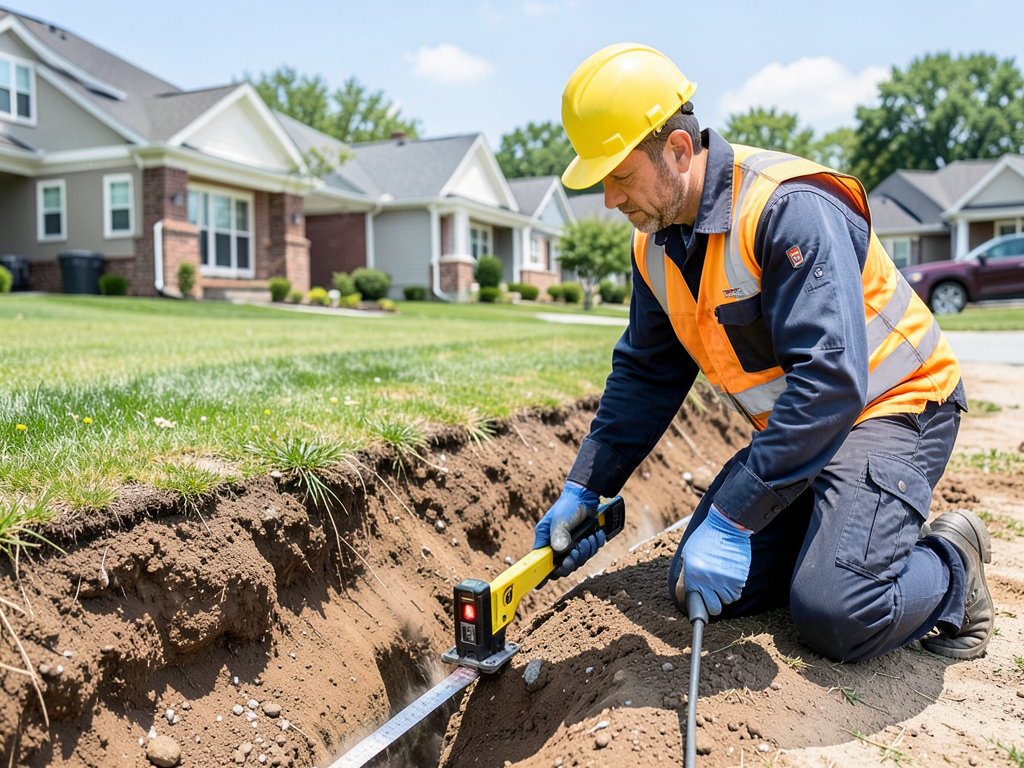
How Foundation Planting and Grading Can Save Your Highview Basement from Flooding Heavy spring rains…
Every hour delays increase damage and restoration costs. Call Elite Water Damage Restoration Louisville now at (502) 370-2711 for 24/7 emergency response. Our crews dispatch immediately with professional extraction and drying equipment to stop damage and begin restoration.